Give Thanks, Grow Strong: A 5-Week Gratitude Journey for Your Tween

A weekly gratitude practice from Thanksgiving through New Year's Eve—with three unique prompts each week to build resilience, joy, and emotional awareness.

The holiday season offers more than festive meals and wrapped presents. It provides a unique opportunity to help your daughter develop one of the most powerful tools for emotional wellness: gratitude.
Previous research has established that gratitude reduces suicide risk in young adults by reducing depression and increasing self-esteem, and thinking about the things we are grateful for just before bed can improve sleep quality and duration. For tween girls navigating complex social dynamics, academic pressure, and emerging self-awareness, gratitude isn't just feel-good fluff—it's a research-backed practice that builds genuine resilience.
Research published in The Journal of Positive Psychology found that youth who engaged in regular gratitude exercises reported higher levels of life satisfaction and optimism, along with lower levels of stress and depressive symptoms. Even better, gratitude is relevant to adolescents' moral, social, and emotional development, with grateful youth from diverse communities showing better subjective well-being and prosocial behaviors, as well as lower levels of materialism and antisocial behaviors than their less grateful counterparts Vaia.
This five-week gratitude journey, starting Thanksgiving week and continuing through New Year's Eve, offers your daughter a structured way to cultivate thankfulness during a season that can feel both magical and overwhelming.
Why Gratitude Journaling Works
Studies have shown that writing in a gratitude journal for at least 15 minutes a day, five days a week—for at least six weeks tremendously impacts individual happiness. But you don't need to start with that commitment. Even a few minutes, three times per week, creates meaningful change.
Over time, this shift becomes self-reinforcing: the brain learns to seek out positives, making it easier to find hope and optimism even in tough situations. For youth, building this mindset early provides a valuable tool for facing life's ups and downs, allowing them to view challenges as part of their growth rather than overwhelming, insurmountable obstacles.
The secret? Every time they practice gratitude, the brain releases dopamine and serotonin, which are neurotransmitters that contribute to feelings of pleasure, happiness, and overall well-being. Your daughter's brain literally rewards her for finding things to appreciate.
Getting Started: Create the Ritual
Before diving into the prompts, set your daughter up for success:
Choose the Right Journal: A gratitude journal for children needs to be both functional and fun, with space for both writing and drawing, so kids have lots of space for creative expression. Let her pick out a special notebook or decorate a plain one together.
Establish a Routine: If you work your daily journaling into your regular routine, it will become second nature. Set aside some time each day, perhaps after dinner or at bedtime, to sit together and journal. For this five-week journey, aim for three entries per week.
Keep It Judgment-Free: What your child feels grateful for is likely to be different to what you are grateful for. Sometimes they'll be grateful for pancakes, their family, and having access to fresh running water. And sometimes they'll be grateful for PJ masks, lollipops, and getting the biggest serving of ice cream. No one thing is more deserving of our gratitude than another.
Model the Practice: You can encourage and set a positive example for your child by doing some gratitude journaling alongside them. Share what you're grateful for too.
Important Note About Toxic Positivity
Gratitude does NOT mean that you have to be thankful for hard or painful experiences. Toxic positivity is the idea that you should be happy no matter what is happening in your life. Everyone has feelings and life is hard and unfair. Sometimes there's nothing positive to be said about a painful experience. Pretending we don't feel sad, angry or hurt doesn't make those feelings go away.
If your daughter is struggling with something genuinely difficult, don't force gratitude about that situation. Instead, let her journal about other aspects of her life where she can genuinely find appreciation.
The 5-Week Gratitude Journey
Week 1: Thanksgiving Week (November 27 - December 3)
Prompt 1: The Helper Think about someone who helped you this week—maybe they explained something you didn't understand, shared their lunch, or made you laugh when you felt sad. Write about what they did and why it mattered to you. How did their kindness make you feel?
Prompt 2: Your Superpower What's something you're good at or proud of about yourself? It could be a skill (drawing, math, making friends laugh), a personality trait (being a good listener, working hard, being creative), or something you've improved recently. Describe why these matters to you.
Prompt 3: A Comfort That Makes Life Better Think about something simple that makes your daily life more comfortable or enjoyable—maybe it's your cozy bed, hot showers, your favorite hoodie, or always having clean water to drink. Write about why you're grateful for this everyday comfort that you might usually take for granted.
Week 2: Early December (December 4-10)
Prompt 1: A Challenge That Taught You Something Write about a difficult situation you faced recently where you learned something new about yourself. What was hard about it? What did you discover you could do? How are you stronger or wiser because of it?
Prompt 2: A Place That Feels Safe Describe a physical place where you feel calm, safe, or happy. It might be your room, a spot in nature, the library, your grandparent's house, or anywhere else. What makes this place special? How does it make you feel when you're there?
Prompt 3: Someone Who Believes in You Think of someone who encourages you and believes you can do hard things—a parent, teacher, coach, friend, or family member. Write about a specific time they showed confidence in you or helped you believe in yourself.
Week 3: Mid-December (December 11-17)
Prompt 1: A Tradition You Love With the holidays here, think about a family tradition, ritual, or regular activity that brings you joy. It could be holiday-related or something you do any time of year. What makes this tradition meaningful? What memories does it create?
Prompt 2: Your Body's Amazing Abilities Your body does incredible things every day without you even thinking about it. Write about something that allows you to do—run, dance, hug people you love, taste delicious food, see beautiful things, listen to music, create art. Express gratitude for what your body can do.
Prompt 3: A Book, Show, or Story That Moved You Think about something you've read, watched, or heard recently that made you feel something strong—maybe it made you laugh, cry, think differently, or feel less alone. What was it about? Why did it affect you? What did it teach you or help you understand?
Week 4: Late December (December 18-24)
Prompt 1: A Mistake That Led to Growth Think about a time you made a mistake, or things didn't go as planned, but something good came from maybe you learned an important lesson, discovered a new interest, or grew closer to someone. Write about what happened and what the "gift" was in that experience.
Prompt 2: Freedom You Have Write about a freedom or choice you have that not everyone gets to experience—maybe it's the ability to learn, express your opinions, choose your friends, explore your interests, or make decisions about your own life. Why does this freedom matter to you?
Prompt 3: A Small Moment That Made You Smile Sometimes the tiniest moments bring the most joy with funny joke, a unexpected compliment, a beautiful sunset, your pet doing something silly, finding money in your pocket. Describe a small, simple moment from this week that brought you happiness.
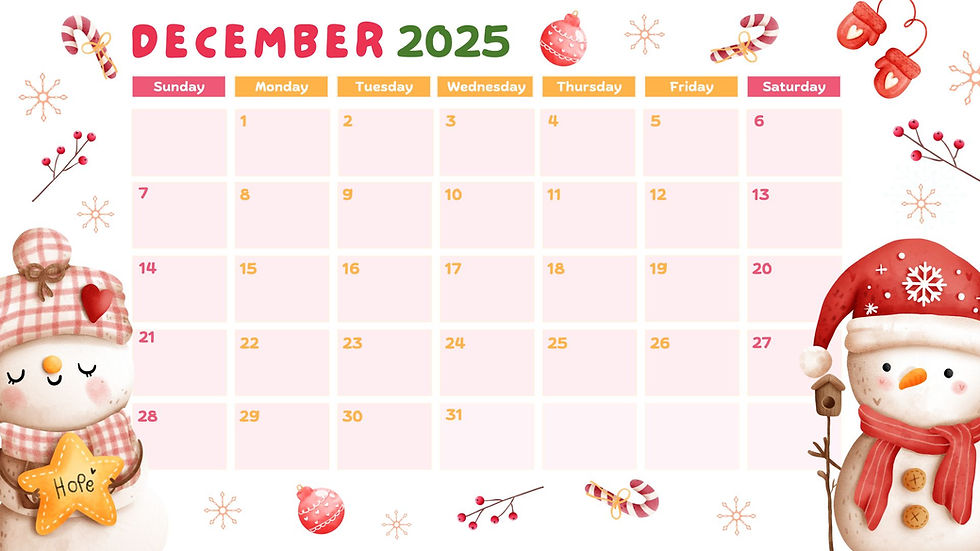
Week 5: New Year's Week (December 25-31)
Prompt 1: Something You Created Think about something you made or created this year—art, writing, music, a recipe, a solution to a problem, a friendship, a positive change in yourself. Write about the creative process and why you're proud of what you brought into the world.
Prompt 2: A Difficult Emotion You Felt and Moved Through Gratitude can include appreciation for our emotional experiences, even hard ones. Write about a time you felt sad, angry, scared, or disappointed—and how you got through it. What helped you? What did that experience teach you about your own strength?
Prompt 3: Looking Forward With Hope As the year ends, write about something you're looking forward to in the coming year. It doesn't have to be big—just something that makes you feel hopeful or excited when you think about it. Why does this future possibility bring you joy?
Making the Most of This Practice
Encourage Specificity
While writing "I am thankful for food" is easier, it takes more intentionality and thoughtfulness to write, "I am grateful for our delicious dinner and my sister who makes me laugh." Similarly, instead of writing, "I am thankful for my friends," encourage your children to write the names of their friends and even specific character traits or things they have done that they are grateful for.
Allow Creative Expression
Gratitude journaling for kids doesn't have to look the same as it does for us grownups! In fact, gratitude journaling doesn't have to be 'journaling' at all. Let your daughter draw, use colors, add stickers, or express her gratitude however she feels right.
Share and Connect
Among university students who participated in daily gratitude journaling, those who shared what they wrote with a partner twice a week exhibited greater subjective well-being than those who did not Vaia. Consider having family gratitude conversations where everyone shares one entry each week.
Be Patient and Flexible
If they don't feel like journaling, don't push it. Gratitude journaling shouldn't be a chore. It's not something we want to force kids to do. It's something we want kids to do willingly and joyfully. So if they need a break, that's ok Social Sci LibreTexts.
The Gift That Keeps Giving
As you complete this five-week journey together, you're giving your daughter more than a holiday activity. You're helping her build neural pathways that support resilience, optimism, and emotional wellness—skills that will serve her throughout adolescence and beyond.
One of the best reasons to introduce our kids and teens to gratitude journaling is that they are learning about and creating a habit that can support them for the rest of their lives.
This New Year, what better gift could you give than helping your daughter develop the capacity to find light even in darkness, strength even in struggle, and joy even in ordinary moments?
At ChatterGirls, we believe in equipping girls ages 8–14 with lifelong tools for emotional wellness. Gratitude is one of much evidence-based practices we incorporate into our programs, alongside anxiety management, assertive communication, and peer navigation skills. This holiday season, start a gratitude practice at home—and consider how our programs can support your daughter's continued growth in confidence and resilience


Comments